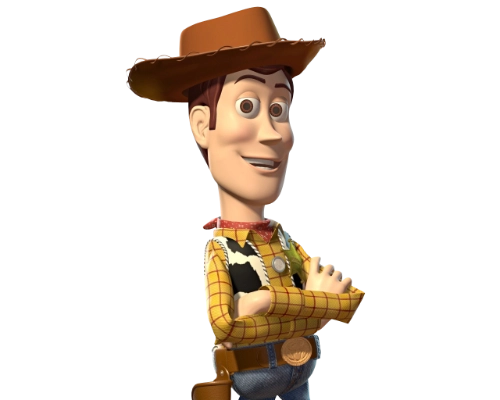
Voice Woody
Voice Woody is a character-style text-to-speech generator that turns typed scripts into speech with the warm, folksy cowboy drawl and loyal sheriff cadence fans associate with Woody. Creators use woody's voice for video, podcasts, covers, fan projects, and other content that needs consistent Voice Woody audio without a studio.
Voice Woody





Voice settings
What makes Voice Woody different for woody's voice fans?
To sound like Woody, timing, articulation, and attitude matter more than simple pitch shifting. With the workflow, the pacing and diction stay clean, so each line feels like one performance, from punchlines to narration. For creators who iterate quickly, Voice Woody keeps phrasing aligned with punctuation, so transitions sound deliberate, not robotic, and longer scenes stay engaging during revisions, even when you tweak wording. That makes woody's voice feel stable across small script changes. Voice Woody also helps your edits keep the same comedic timing from draft to export.
How does Voice Woody shape woody's voice into Voice Woody-ready delivery with woody's voice character?
Paste your dialogue, then Voice Woody reads punctuation and emphasis cues to generate woody's voice delivery. Expect smoother breaths and expressive rhythm that keeps short tags and long paragraphs coherent. You can preview quickly, adjust pauses, and keep the narrative flow consistent for listeners. Voice Woody then carries those cues through to consistent emotional turns.
Where can you use Voice Woody in real projects, and why does Voice Woody work best?
Export the audio for YouTube, TikTok, podcast intros, trailers, and comedic voiceovers. When you keep the same woody's voice profile across renders, your audience recognizes the character and the edit stays punchy. When you reuse the same settings across takes, woody's voice stays steady in emotion and pacing, so you can cut scenes, adjust breath timing, and still keep the signature character intact. Voice Woody also helps your audience recognize the character instantly, even when scenes are edited tightly.